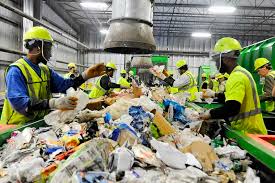
Trade waste, often underestimated, has a significant impact on the environment when not managed properly. From industrial by-products to commercial refuse, improper disposal of these materials can lead to widespread trade waste disposal. On the other hand, implementing proper waste management practices can significantly reduce environmental risks while fostering sustainability.
Why Trade Waste Disposal Matters
Trade waste includes materials generated from commercial, industrial, or trade activities, such as grease, oils, chemicals, and non-biodegradable substances. When improperly managed, these materials can seep into waterways, pollute soil, and release harmful greenhouse gases into the atmosphere. This not only threatens ecosystems but also poses risks to public health and depletes the planet’s natural resources.
For instance, pollutants from trade waste can disrupt aquatic ecosystems by contaminating water sources, killing marine life, and making water unsafe for human consumption. Similarly, hazardous solid waste may degrade soil quality, impacting agriculture and vegetation.
Benefits of Proper Trade Waste Management
Correct trade waste disposal offers a variety of benefits that positively impact the environment and community.
Preserving Natural Resources
Recycling and reusing trade waste help conserve natural resources. Many materials, such as metals, plastics, and glass, can be reprocessed efficiently, reducing the demand for virgin materials while also cutting down on energy consumption.
Reducing Pollution
Proper waste disposal prevents harmful substances from entering waterways and soil. Wastewater, for example, can be treated to a standard where it is safe for release into the environment. This protects ecosystems and ensures compliance with environmental regulations.
Decreasing Greenhouse Gas Emissions
When waste ends up in landfills, it produces methane, a potent greenhouse gas. Efficient disposal methods, such as waste-to-energy technologies, reduce methane emissions while generating energy for industrial or commercial use.
Promoting Sustainability
Many businesses have embraced eco-friendly initiatives by adopting sustainable waste management systems. Not only does this mitigate environmental damage, but it also improves a company’s reputation by demonstrating social responsibility.
Practices for Effective Trade Waste Disposal
• Segregation at Source: Properly segregating waste at its source ensures that recyclable and non-recyclable materials are treated appropriately.
•
• Wastewater Treatment: Industries producing liquid waste should invest in advanced wastewater treatment systems to neutralize harmful substances.
•
• Regular Audits: Conducting waste audits can help businesses understand their waste generation patterns and find areas to reduce, reuse, and recycle.
•
• Partnering with Experts: Professional waste management services can ensure that waste is handled, transported, and processed per environmental regulations.
•
Adopting responsible trade waste disposal practices is not just an ethical choice; it’s a critical step toward minimizing environmental impact and building a sustainable future. Every action counts, and ensuring proper waste disposal protects our planet for generations to come.