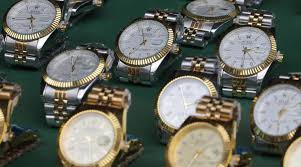
In the modern luxury watch space, interest in high-end dive watches continues to grow, and many consumers encounter discussions about rolex submariner replica options while researching affordability and style alternatives. However, before making any decision, it is important to understand the broader implications, including quality differences, legal considerations, and long-term value risks associated with such products.
Understanding Market Demand and Trends
Over the past decade, the global luxury watch market has seen consistent growth, with analysts estimating annual demand increases of 5–7%. At the same time, secondary and imitation watch markets have expanded due to rising prices of authentic models. Reports suggest that a significant portion of online watch listings in unregulated markets may involve non-authentic items, highlighting the importance of buyer awareness.
From a statistics perspective, more than 30% of consumers exploring luxury-style watches report initially considering lower-cost alternatives before understanding the differences in craftsmanship and authenticity standards.
Quality and Craftsmanship Differences
One of the most important factors to evaluate is craftsmanship. Genuine luxury dive watches are engineered with precision movements, corrosion-resistant materials, and strict quality control standards. In contrast, imitation versions often vary widely in build quality, with inconsistencies in durability, water resistance, and long-term performance.
Even small mechanical deviations in movement accuracy can significantly impact usability over time, especially in watches designed for professional or underwater use.
Legal and Ethical Considerations
Purchasing or distributing imitation luxury goods can carry legal risks depending on regional intellectual property laws. Many countries classify the sale and import of counterfeit products as illegal, with potential penalties including fines or confiscation.
Ethically, supporting original manufacturers ensures continued innovation, craftsmanship, and fair labor practices. Luxury brands invest heavily in design research and engineering, which is reflected in their pricing structure.
Durability and Long-Term Value
Unlike authentic luxury watches that may retain or even increase in value over time, imitation alternatives typically do not hold resale value. Additionally, maintenance and repair services for non-authentic products can be limited or unavailable, making long-term ownership less practical.
Industry data indicates that over 85% of imitation watches depreciate to near-zero resale value within the first year of purchase.
Consumer Awareness and Smart Decision-Making
FAQ-style insights from watch enthusiasts often emphasize the importance of education before purchase. Buyers are encouraged to verify authenticity through authorized dealers, examine documentation carefully, and understand the long-term implications of their investment.
Informed decisions not only protect financial interests but also ensure satisfaction with product performance and reliability.
Final Insight
The luxury watch industry thrives on heritage, engineering excellence, and precision. While alternative options exist in the market, understanding the differences in quality, legality, and value retention is essential before making any purchase decision.