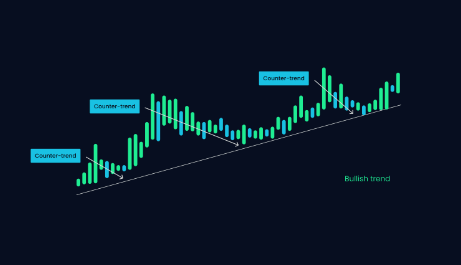
Managing risk is one of the most important aspects of successful currency trading, especially in a fast-moving market where precision and discipline determine long-term performance. Traders who follow a structured approach often use a combination of analytical features and protective strategies to safeguard their capital and make better decisions. In today’s advanced trading environment, the availability of smart digital resources makes this process more efficient than ever, allowing traders to operate with clarity and confidence. These essential solutions include real-time monitoring systems, exposure controls, and automated trade management functions, all working together to support steady and responsible trading practices such as forex risk management tools that strengthen overall decision-making.
One of the core components of effective risk management is the use of stop-loss and take-profit orders. These functions allow traders to pre-define acceptable trade boundaries and ensure their positions are managed even when they are away from the trading platform. By setting clear parameters, traders avoid emotional reactions and maintain consistency across all types of market conditions. Trailing stops further enhance order protection by moving in line with positive price action, securing profits while still giving the trade room to develop naturally.
Position size calculators are another essential part of a disciplined approach. They help traders determine the most appropriate trade volume based on their capital allocation and risk tolerance. Instead of relying on rough estimates, these calculators bring accuracy and structure, supporting long-term sustainability and reducing unnecessary exposure. When used consistently, they contribute to more stable performance and allow traders to control their overall portfolio more efficiently.
Volatility analysis tools also play a major role in preparing for market fluctuations. By tracking changing price behavior and identifying periods of increased activity, traders can adjust their strategies accordingly. This includes modifying entry levels, setting wider safety buffers, or staying out of uncertain market conditions altogether. A well-informed approach based on volatility insights can significantly reduce unexpected losses and improve overall timing.
Economic calendar alerts contribute to this preparation by highlighting important market events, announcements, and potential price-moving updates. Understanding when these events occur helps traders stay ready, refine their strategies, and avoid unnecessary risks during unpredictable periods.
Diversification metrics provide another layer of support by analyzing exposure across different currency pairs. These insights help traders avoid overconcentration and distribute their trades more effectively. Balanced exposure reduces vulnerability to sudden shifts in individual markets and promotes a more stable trading outlook.
Performance analytics should also be part of every trader’s toolkit. These reporting dashboards evaluate completed trades, highlight patterns, and identify areas for improvement. With clear data on strengths and weaknesses, traders can refine their strategies, enhance discipline, and continue evolving with the market.
Incorporating these tools into a structured trading plan is essential for building long-term success. They provide clarity, minimize unnecessary risks, and empower traders to approach the market with greater stability and control. By applying these professional methods consistently, traders create a foundation for steady progress and more confident decision-making in every trading environment.