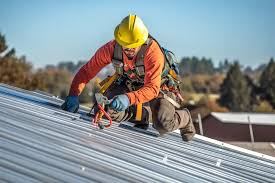
Flat roofs are a hallmark of modern commercial architecture, valued for their sleek design and efficient use of space. However, installing and maintaining a flat roof that is both functional and waterproof requires a specialized set of skills and expertise. Flat roofing contractors play a pivotal role in ensuring that these roofs meet the required standards for durability and water resistance. Here’s how they achieve waterproof performance at every stage of the process.
Comprehensive Planning and Design
A successful flat roofing project begins with meticulous planning and design. Unlike sloped roofs, flat roofs are more susceptible to water pooling, which can compromise their structural integrity and lead to leaks. To prevent this, contractors evaluate the building’s unique needs.
They analyze factors such as the potential load it must bear, drainage requirements, and climate conditions. This process includes designing a slight slope to encourage water runoff and integrating efficient drainage systems into the plans. Such foresight ensures the roofing system is functional while reducing the likelihood of water-related issues.
Selecting High-Performance Materials
The materials used in flat roofs are critical for waterproofing success. Roofing contractors leverage their deep industry knowledge to recommend high-quality materials such as TPO (Thermoplastic Polyolefin), EPDM (Ethylene Propylene Diene Monomer), or PVC (Polyvinyl Chloride) membranes. These materials are favored for their durability, flexibility, and resistance to weather extremes.
Additionally, contractors select advanced underlayments and sealants to provide an added layer of protection. By using materials that are both waterproof and energy-efficient, contractors enhance the roof’s long-term performance while offering cost savings for property owners.
Precision Installation
Waterproofing a flat roof demands precision during installation. Contractors use specialized techniques to ensure watertight seals and structural integrity.
Membrane Application: Roofing membranes are applied seamlessly using techniques like heat welding or adhesive bonding to create a continuous, waterproof surface.
Flashing Installation: Roof edges, vents, and penetrations are reinforced with flashing to protect these vulnerable points from moisture intrusion.
Slope Design: Even flat roofs need a subtle slope to facilitate proper drainage. Contractors carefully implement this slope to avoid water pooling.
Such precision reduces the risk of water infiltration, ensuring the roof performs efficiently even under harsh environmental conditions.
Implementing Advanced Drainage Solutions
Drainage is vital in maintaining the waterproof integrity of a flat roof. Skilled contractors incorporate advanced drainage systems into the design, such as internal drains, scuppers, and gutters. These systems direct water away from the roof’s surface, preventing standing water that could lead to leaks or structural damage.
By carefully integrating drainage components, contractors ensure that the roof remains dry and safe, even during heavy rainfall.
Post-Installation Maintenance
A flat roof’s waterproof performance doesn’t end with the installation; ongoing maintenance is crucial. Contractors often offer maintenance plans that include regular inspections, cleaning of drainage systems, and resealing vulnerable areas as needed. These proactive measures extend the life of the roof and prevent minor issues from escalating into costly repairs.
Why Professional Contractors Matter
Ensuring waterproof performance in flat roofs requires expertise, precision, and a commitment to quality. Professional roofing contractors bring all of these elements together, transforming complex challenges into durable, high-performing solutions. With their help, property owners can trust that their flat roofs will remain resilient and watertight for years to come.