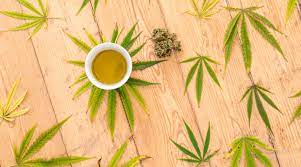
THC lean syrup has become a major topic of conversation in both cannabis culture and health forums. Its popularity is driven in part by curiosity about its effects, how it’s made, and recent statistics showing its rise, especially among younger adults. But what makes this thc lean syrup unique, and what do studies actually reveal about how it interacts with the body?
Understanding THC Lean Syrup
THC lean syrup is a cannabis-infused liquid that typically combines tetrahydrocannabinol (THC) extract with a sweet, viscous base. The syrup’s inspiration comes from “lean” or “purple drank” (a mixture of codeine cough syrup and soda), but here, the psychoactive component is THC, not codeine or promethazine. People usually mix it with a beverage for a slow, controlled cannabis experience.
Trend data suggests a steady increase in THC lean syrup products appearing at dispensaries and cannabis events, especially in states where recreational cannabis is legal. According to surveys published in 2022, nearly 12% of cannabis users aged 18-30 reported trying some form of cannabis syrup in the past year.
How THC Lean Syrup Works in the Body
When someone consumes THC lean syrup, the body processes it like other edible forms of marijuana. Once ingested, THC travels through the digestive system, enters the bloodstream, and passes through the liver, where it is converted into 11-hydroxy-THC. This metabolite is significantly more potent than inhaled THC, which explains the syrup’s extended and often more intense effects compared to smoking.
Surveys indicate that the onset time ranges anywhere from 30 minutes to two hours, with effects lasting up to eight hours. Because of the delayed onset, there is a higher risk of overconsumption, which can lead to unwanted side effects like anxiety, paranoia, or drowsiness.
Effects and Trends Among Users
Reported effects of THC lean syrup include a deep sense of relaxation, mood elevation, and, at higher doses, psychedelic experiences such as heightened sensory perception. However, a 2023 study found that 30% of syrup users experienced adverse reactions at least once, highlighting the importance of responsible dosage.
Another notable trend is the increasing use of fruit flavors and sugar substitutes to create appealing products, especially among young adults seeking more palatable cannabis options. Social media trends show that hashtags related to syrup have surged by over 80% in the past year, indicating rising online interest and peer-to-peer sharing.
What the Data Really Shows
The science behind THC lean syrup is straightforward but warrants caution. The product delivers an intense and lasting high through a metabolite far stronger than smoked cannabis. Current data signals a growing trend, but also flags the potential for overuse. Margin for error is slim, so understanding onset time and effects is crucial for safer consumption. The statistics reflect a product on the rise, but they also serve as a reminder of the importance of knowledge and moderation.